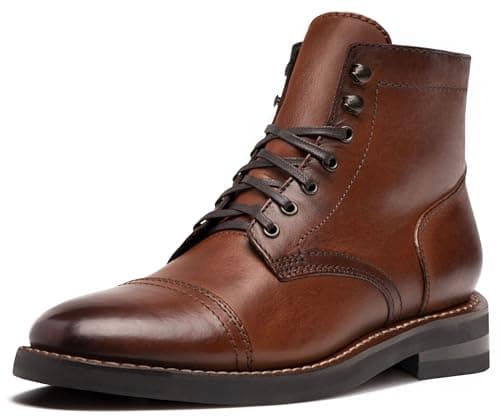
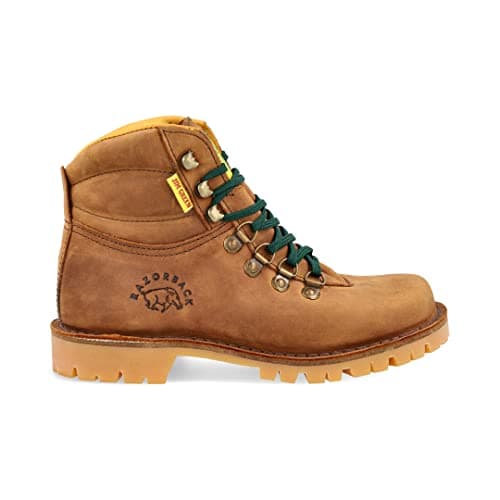
Boots are the one category where durability has an objective test, and almost nobody applies it. The test is this: when the sole wears through - and it always does, usually between 18 months and four years of daily wear - can the boot be rebuilt, or is it finished?
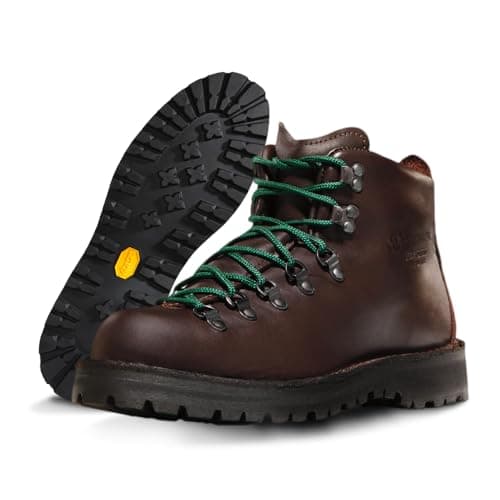
The answer is decided at the factory, years before you buy. A Goodyear welt stitches a strip of leather to the upper and the insole, and the outsole stitches to that strip. Any cobbler with a sole stitcher can cut the stitches, pull the old sole off, and stitch a new one on without the upper ever being disturbed. A boot built this way is a 40-year boot with a 3-year consumable attached. A stitchdown boot does the same job with the upper folded outward and stitched directly to the midsole; it is equally rebuildable and is what Danner uses.
Cemented and direct-attach construction are the opposite. Cemented boots glue the sole to the upper. Direct-attach molds polyurethane straight onto the upper in a press. Both make a cheaper, lighter, often more comfortable boot - and both make the sole and the boot a single object. When the tread goes, the leather goes with it, however good the leather was. This is not a scandal and it is not hidden; it is simply the fact that decides whether a $200 boot costs you $200 or $200 every three years.
What we check, in order
Construction first. Welt, stitchdown, cemented or direct-attach. If the maker does not say, we say so. Blundstone deserves credit here: its own support pages state plainly that most of its boots cannot be resoled because the soles are injection-molded, and only the Heritage series uses a welt. That is more honesty than most heritage-branded competitors manage.
Leather second. Full-grain means the outermost layer of the hide, with its original grain intact - the densest, most abrasion-resistant part. Top-grain has had that surface sanded off and a finish sprayed on, which looks uniform and wears through. Genuine leather, despite the name, is a lower split. PU or bonded leather is leather dust glued to a backing and it delaminates. Thickness matters as much as grade: a thin full-grain upper creases deeper and cracks sooner than a thick one.
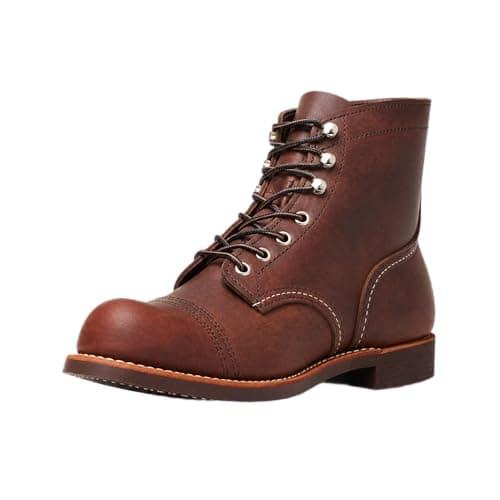
The repair path third. A welt is only useful if someone will actually use it. Red Wing runs its own repair shop at the Minnesota factory and its stores take resoles with original parts. Danner publishes a Recrafting program through certified partners that replaces outsoles, reconditions leather and restores the original fit. Those are documented routes, not implications - and they are worth more than any of the 12-month defect warranties that these brands actually publish.
The warranty last, and with low expectations. This is the category's open secret: almost no boot brand offers a meaningful warranty. Red Wing publishes 12 months against defects in workmanship and materials, original purchaser only, receipt required. That is ordinary. A boot is not a buy-it-for-life object because of its warranty; it is one because of its welt.
Where the money actually goes
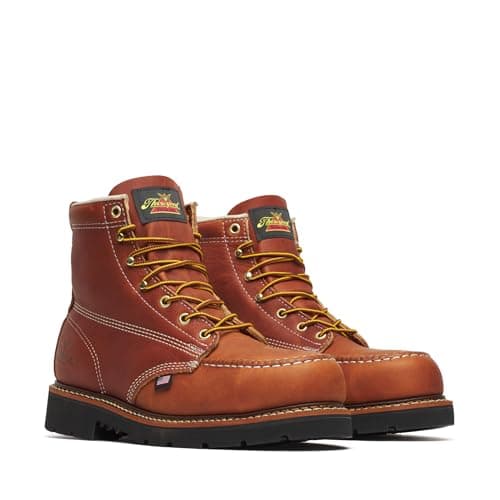
Below roughly $120 you are buying cemented construction and corrected-grain leather, and the honest framing is a two-to-three-year boot. Between $150 and $250 you can get a genuine Goodyear welt - Thursday, Thorogood, Carolina and Jim Green all build one - though the leather is thinner than it is further up. Above $300 you are paying for thicker hides from named tanneries, US or European manufacture, and in Red Wing and Danner's case a factory that will take the boot back.
Above that, the returns get thin fast. A $600 boot is not twice the boot a $300 one is. It is a slightly better hide, a hand-lasted fit, and a smaller factory - real things, but not durability multipliers.
Care is not optional, and it is cheap
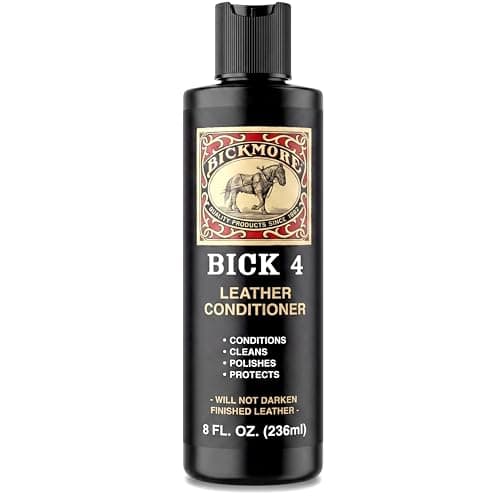
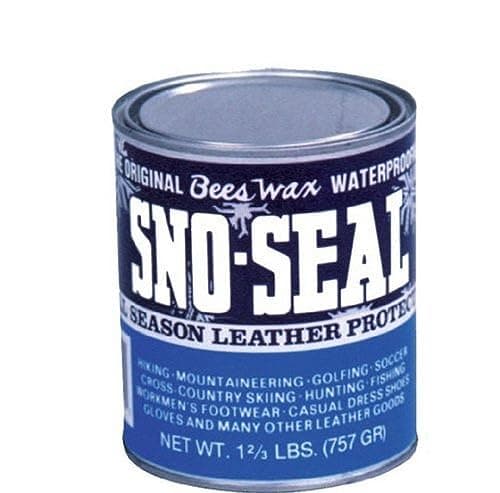
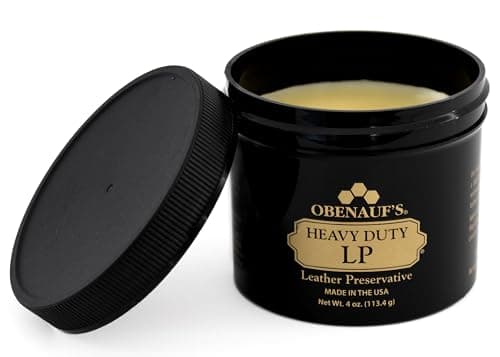
Leather fails in one of two ways: it dries out and cracks, or it stays wet and rots. Both are preventable for about fifteen dollars a year. A conditioner replaces the oils that evaporate; a wax or grease stops water getting in. They are different products with different jobs, and the most common mistake is using an oil-based grease on a boot you wanted to keep stiff and light-colored, because that change is permanent.
The guides in this section cover waterproofing, resoling costs, what a Goodyear welt actually is, and how to read a leather grade - and every roundup here links back to them, because buying the right boot and then wrecking it in two winters is the expensive outcome this site exists to prevent.