Enamel is the one surface that cannot be fixed
Bare cast iron can be stripped and re-seasoned. Stainless can be scoured. Carbon steel can be flattened and re-seasoned. Enamel cannot be repaired at all - there is no food-safe home or professional fix for a chip.
That single fact makes this the one cookware category where the warranty is the purchase decision rather than a footnote, and it is why we have quoted all four in full on the cards below.
The four warranties, side by side
Le Creuset publishes a limited lifetime warranty to the original owner, covering defects in material and workmanship. It is non-transferable. And where Le Creuset determines the damage was user error - thermal shock, a drop - the published remedy is 75% off the current retail price of a similar item rather than a replacement. That is a real and reasonable policy, and it is not what most buyers think they are getting.
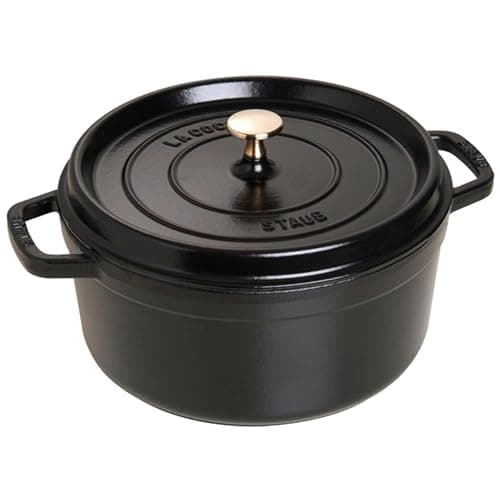
Staub publishes a lifetime warranty against defects, through parent company Zwilling.
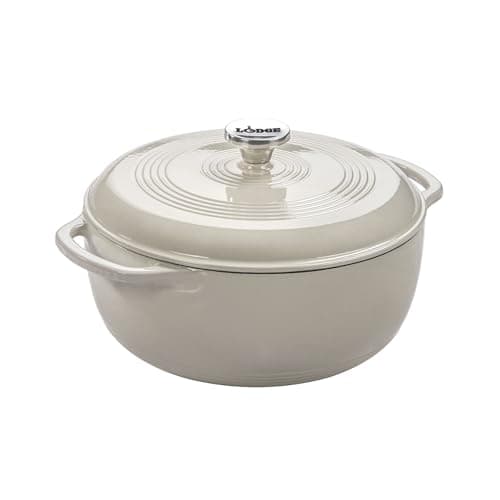
Lodge publishes the Made Right limited lifetime warranty, which explicitly covers enamelled cast iron that chips, cracks or is otherwise damaged during normal cooking. Read that again: chipping during normal cooking is named as covered, which is more specific than the French brands manage.
Tramontina publishes a lifetime warranty to the original purchaser against defects in material and workmanship, on the cheapest pot here.
So what are you actually paying for?
Not the warranty. The Lodge and the Tramontina are covered as well as the French pots and in Lodge’s case arguably better. What the extra money buys is:
Enamel quality and evenness. The French enamel is thicker, more evenly applied and visibly better at the rim and the lid seat. Tramontina’s is thinnest and chips most readily in ordinary handling.
Resale value. Le Creuset holds value on the second-hand market in a way the others do not - which materially lowers the real cost of ownership if you ever sell. Note that the warranty is non-transferable, so a buyer gets the pot and not the paper.
Color and object appeal. Which is a legitimate thing to buy. It is simply not a durability thing to buy, and the two get conflated constantly in this category.
Light interior or black?
A sand-colored interior lets you see fond building, which is how you judge a sear and when to deglaze. It also stains permanently, and that staining is cosmetic and therefore not covered by any of these warranties.
Staub’s matte black is tougher, does not stain and makes browning genuinely harder to judge. The lid spikes are not marketing: they do collect condensation and drip it back onto the food, and for long braises that is a real effect.
How to not chip it
Thermal shock is the main cause. Do not put a cold pot onto a high flame, do not pour cold liquid into a screaming hot pot, and never put a hot pot under cold water. Second is metal utensils on a chipped-prone rim. Third is stacking, which chips the exterior - put a cloth between pots if you must stack.
All three of those are user error, which is precisely the category Le Creuset’s 75-percent-discount remedy applies to. Worth knowing before, rather than after.