The moment that decides everything
A welted boot's whole value proposition cashes out at the first resole. Everything this site says about repairability is theoretical until you hand the boots over - and a boot that never gets resoled is simply an expensive boot that wore out.
So the useful content here is not "resoling exists". It is: when to go, what it costs, and how not to leave it too late.
What the job actually involves
The cobbler cuts the welt stitching, pulls the outsole and midsole off, cleans and inspects the welt, fits a new midsole and outsole, re-stitches through the welt, then trims and finishes the edge. On a well-made boot it is about an hour of machine time.
The welt itself is re-used. That is why leaving it too long is expensive: once the welt is worn through or the stitching holes in the upper have torn, the job becomes a welt replacement, which involves taking the boot apart much further.
The timing rule
Look at the outsole at the ball of the foot and on the outside of the heel - the two places everyone wears first. When the tread is smooth and you can see a different-colored layer beginning to show through, book it in.
The mistake is waiting until you can feel the ground. By then water is reaching the insole, the leather midsole is saturated, and what should have been a 120-dollar job is a 250-dollar one.
Use it to fix the boot's one flaw
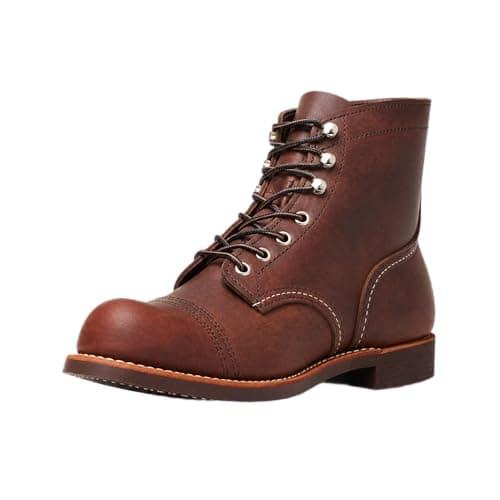
A resole is a chance to change the sole, and most people waste it by asking for like-for-like. If your Iron Rangers are lethal in the wet, a Vibram lug fixes that permanently. If your wedge-soled work boots are brutal on your knees, a softer unit helps. If your crepe picks up gravel, almost anything is an improvement.
Ask the shop what they stock and what they would fit for your use. The good ones have opinions.
Factory versus independent
Red Wing's stores resole with original parts, and the company runs its own repair shop at the Minnesota factory. Danner's published recrafting program goes further: certified partners replace outsoles, recondition the leather and restore the original fit and structure.
A good independent cobbler is cheaper and faster, and for most boots is all you need. The factory route is worth paying for when you want the boot to come back to its original specification rather than to a generic sole.
How to delay the first one
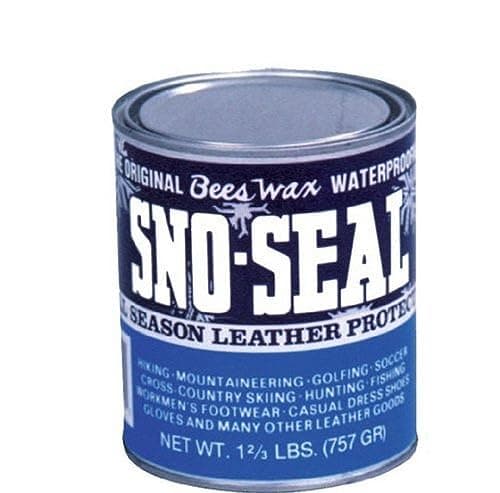
Rotate pairs so each boot dries fully between wears - this alone adds materially to sole life, because a saturated midsole compresses faster. Keep the welt seam waxed so water is not sitting in it. Walk on the sole you have rather than scuffing your toes, which is the main cause of premature toe wear. And put the boots on and take them off properly: levering a heel off with the other toe destroys heel counters.