The case for no enamel at all
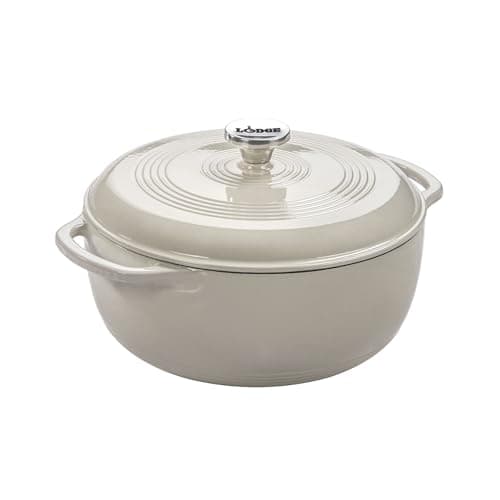
Enamel is a glass layer on iron, and glass does not like uneven heat or impact. A bare iron pot has neither limitation: it takes direct flame, coals, a 500-degree oven and being knocked against a grate, and the only consequence is that the seasoning needs renewing afterwards - which the owner does for free.
That is why bare iron is the right pot for bread and for fire, and why it costs a fraction of the enamelled equivalents.
Why the combo cooker beats a real dutch oven for bread
The standard sourdough method is to preheat a covered pot, drop the dough in, bake covered then uncovered. With a deep dutch oven that means lowering a slack loaf past four inches of 500-degree cast iron, which is how people burn their forearms and deflate their bread.
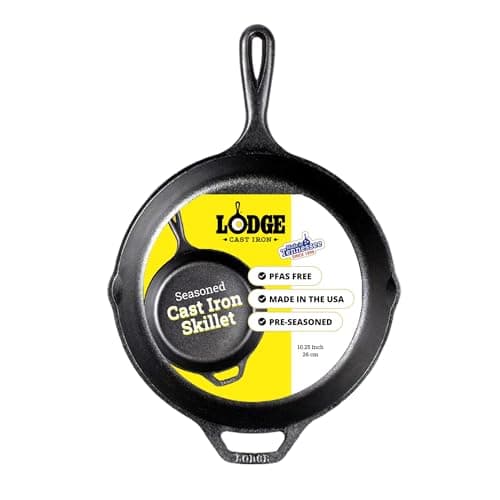
A combo cooker inverts it: the shallow skillet becomes the base, the deep pot becomes the lid. You place the loaf on a flat open surface and lower the dome over it. Better spring, no burns, and it costs less than a dedicated bread pot.
Where bare iron is the wrong choice
Long acidic braises. Two hours of tomato, wine or vinegar strips seasoning and leaves a metallic edge in the food. A short acidic cook is fine; a long one is not. This is the single real reason to own an enamelled pot as well.
Storing food in the pot. Never. Acidic or salty food left overnight in bare iron will pit the surface and rust it.
If you will not maintain it. Bare iron needs drying and a wipe of oil. That is thirty seconds, and some people genuinely will not do it, in which case enamel is the honest answer rather than a compromise.
The warranty
Lodge’s Made Right limited lifetime warranty covers these pots in normal household use, excluding commercial use, drops, mishandling, misuse, neglect and overheating. The practical significance is small, because there is almost nothing that can go wrong with an iron casting that is not a drop - but it is published and specific, which is more than most of this category manages.
Size and the lid question
Five quarts is the useful size for a household: a chicken, a batch of stock, two large loaves. The combo cooker’s 3.2 quarts is right for bread and tight for stew.
A plain cast iron skillet makes a perfectly good lid for a larger pot in a pinch, which is worth knowing before buying a dedicated piece. The seal is not as tight; for bread that matters slightly and for braising it barely does.