Why cast iron is the easiest category on this site
Almost everything we cover has a wear-out mechanism. Cast iron does not. There is no coating to fail, no electronics, no consumable part, and the cooking surface - polymerized oil - is renewable by the owner forever. A rusted pan is not a dead pan; it is twenty minutes with steel wool and a fresh seasoning.
So the usual durability question collapses, and what is left is a much narrower one: which pan is nicest to use, and does anyone put a document behind it?
The warranty, and its revealing exclusion
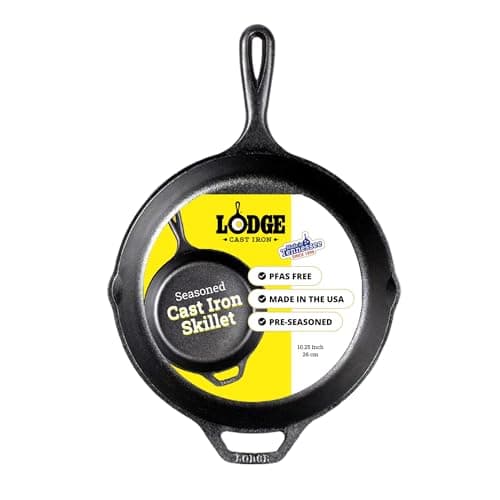
Lodge publishes the Made Right limited lifetime warranty, covering normal household use. It excludes commercial use, accidents, drops, mishandling, misuse, neglect and overheating.
That exclusion list is worth reading twice, because a drop onto a tile floor is the only thing that realistically kills a cast iron pan - and it is excluded. In other words the warranty covers everything except the one failure mode. That is not a criticism; it is a fair description of a product with no other failure modes, and it is more than the boutique makers publish, which as far as we could find is nothing.
What spending more buys
Weight. This is the real one. Lodge’s Blacklock line casts thinner walls and comes out about a third lighter. If weight is the reason your cast iron sits in the cupboard, that is worth paying for - a pan you cannot lift is worth nothing however good it is.
Surface. Field Company and the other boutique makers machine the cooking surface smooth, the way pre-war American pans were finished. It genuinely releases eggs sooner than a new Lodge. The gap narrows substantially after six months of use, as seasoning fills the texture in.
Not longevity. A six-times-more-expensive pan does not last six times longer, or any longer at all. Both are iron castings with no serviceable parts.
The size most people get wrong
Buy the 12-inch. The 10.25 is the default recommendation because it is the one Lodge sells most of, and it is too small for a family meal - crowding a pan drops the surface temperature and food steams instead of browning, which is the exact thing cast iron is for.
The price difference is a few dollars. The weight difference is real and is the only reason to go smaller.
The combo cooker is the sleeper pick
A deep pot with a skillet lid, where both halves are useful alone. For sourdough it is the best cheap bread vessel there is, because the shallow lid means you are not lowering dough into a deep hot well and burning your forearm - which is the actual reason people stop baking in a dutch oven.
What we did not include
Enamelled cast iron, which is a genuinely different product with a different warranty question and its own page. Pre-seasoned pans from unnamed sellers, where the casting quality varies between units and no warranty exists. And the vintage market - a Griswold or an early Wagner is a lovely object and a better pan than anything here, but it is not something we can link you to or verify.
The honest summary
Buy a Lodge, in the larger size, for about twenty dollars. Cook in it rather than worrying about it. If the weight stops you using it, buy the Blacklock instead and consider the extra money well spent. Everything above that is refinement, and this is a page about things that last.