Why most waterproofing fails
Because the wax went onto cold leather. Beeswax at room temperature is a solid: pushed onto a cold boot it bridges across the surface and sits there, and the first day of walking rubs most of it off. Warm the leather first and the same wax sinks into the fibers, where it stays for weeks.
That single step is the difference between waterproofing that lasts a day and waterproofing that lasts a month. It takes two minutes with a hairdryer.
Water does not come through leather
It comes through the stitching, the welt join and the tongue gusset. A full-grain hide with any treatment on it is already fairly water-resistant across a panel; the seams are the leak, and they are where most of the product should go.
Work a fingertip along the welt line - the seam where the upper meets the sole - twice. On most boots that one line accounts for the majority of the water that gets in.
Which product for which boot
Unlined leather boots in winter: Sno-Seal. Pure beeswax, applied warm, genuinely lasts weeks of wet. It darkens leather and will dull a polished finish.
Working boots that are wet most days: Obenauf's LP or Huberd's Shoe Grease. Both are heavier, both darken permanently, both soften the leather. That softening is fine on a boot you want pliable and wrong on one you want supportive.
Boots with a Gore-Tex or similar liner: Nikwax. It is water-based, so it does not clog the membrane's ability to pass vapor outward. Using a heavy grease on a lined boot is how people end up with wet feet and blame the membrane.
The drying mistake that ruins boots
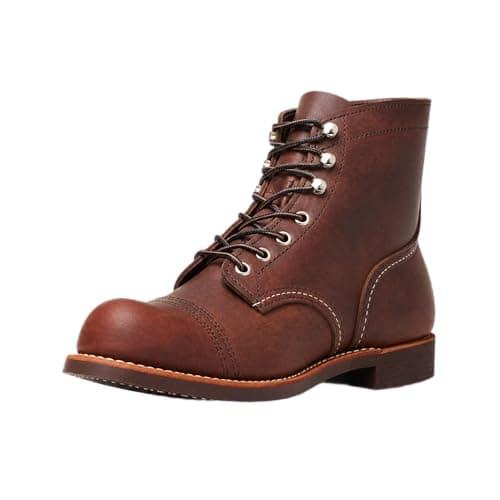
Never dry wet leather boots near a radiator, a fire or a hot-air vent. Heat drives the oils out of the hide, and leather that has lost its oils goes hard and then cracks - usually across the vamp where the boot flexes, which is unrepairable.
Stuff them with newspaper, change it after a few hours, and leave them somewhere with moving air at room temperature. Forty-eight hours for a genuinely soaked boot. Then condition them, because a soaking strips oils too.
What waterproofing is not
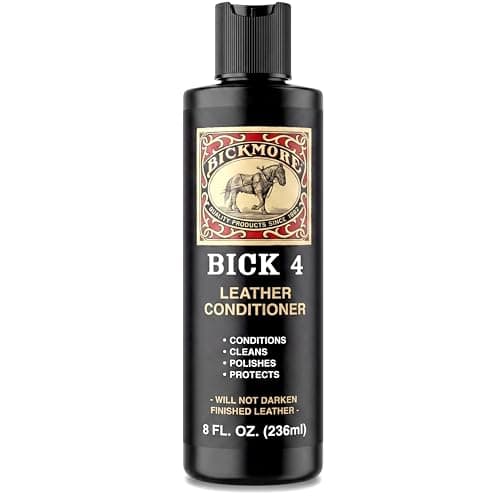
It is not a substitute for conditioning. Wax sits on and near the surface and blocks water; conditioner goes deeper and replaces the oils that keep the fibers supple. A boot that is waxed but never conditioned still dries out and cracks - it just does so with a shiny surface.
The full routine is: clean, condition twice a year, wax twice a winter. Total cost under thirty dollars a year, and it is the difference between a ten-year boot and a thirty-year one.