The hardware is the failure point
Before any material discussion: check the snap.
A leash almost never fails at the webbing. It fails at the snap hook, where a plated steel hook rusts at the spring and then the gate stops closing. A stainless or solid-brass snap on a twenty-dollar leash will outlast a plated hook on a sixty-dollar one.
The second failure is the stitching where the webbing folds back around the hook. Look for bar-tacked stitching - a dense block rather than a simple box.
Those two details tell you more than the brand does.
The four materials
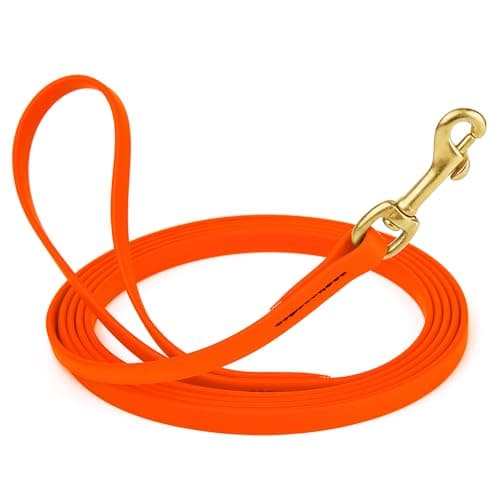
Biothane. Polyester webbing with a polymer coating. It absorbs nothing, so it cannot rot, cannot hold smell, and wipes clean with a cloth. It stays flexible in cold weather where nylon stiffens. For a dog that swims, works in mud or lives outdoors, it is the correct answer and nothing else is close.
Leather. Softens to the hand over a year and then stays comfortable for a decade. It is the nicest material to hold. It is also the wrong material for a dog that swims - repeated soaking stretches it and then it cracks - and it needs occasional conditioning that nobody does.
Nylon webbing. Cheap and strong. It absorbs water and smell, which is why an old nylon leash has a particular odor. Fine for dry-weather dogs.
Solid-braid rope. Spliced rather than stitched, which is the strongest way to terminate a lead - there is no thread to fail because the rope is woven back into itself. It is hard on hands if a dog lunges, and it picks up burrs.
Padding is not a luxury on a strong dog
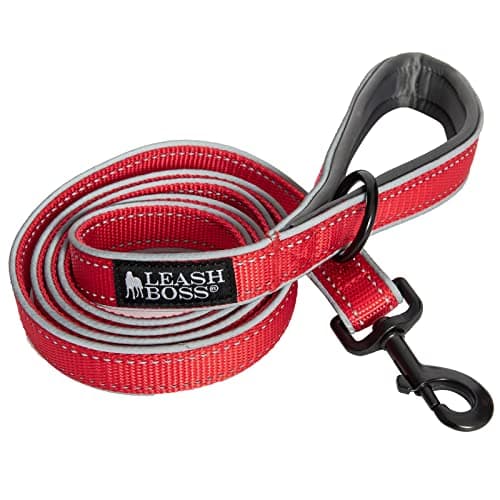
A thin webbing leash on a 70lb dog that lunges will take skin off your palm. A neoprene-padded handle distributes that load and is the difference between walking a strong dog and being injured by one.
Double-thickness webbing does the same job for the body of the leash, resisting the fraying that kills single-layer leads at the point where they drag on the ground.
The warranty, such as it is
Ruffwear publishes a guarantee against defects in materials and craftsmanship, with approved claims issued as a gift card for the full replacement value in the US. It explicitly excludes damage from improper use, misuse, chewing, cleaning, disassembly, alterations, normal wear and tear, abuse and fire.
Chewing, on dog gear, is excluded. That is a reasonable position and it is worth knowing: a dog that chews through its own leash is not a warranty claim anywhere in this category.
For the other leashes here we could find no published warranty terms at all, which is normal.
What to buy
For most dogs: a six-foot biothane or padded nylon leash with a stainless snap, around twenty dollars, replaced when the hardware goes.
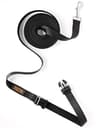
Add a 30-foot long line for recall training and off-leash practice. It is the single most useful piece of dog equipment most owners do not have, it costs very little, and it is also what people are usually reaching for when they buy a retractable - which has its own page, linked below, and a short answer we do not soften.