What carbon steel actually is
Iron with a lower carbon content than cast iron, stamped or spun rather than cast. That makes it thinner, lighter and more responsive to heat changes, while keeping the thing that matters: a bare metal surface you season yourself, which means no coating to wear out and no end of life.
It is the professional kitchen’s default for a reason - a line cook lifts a pan several hundred times a shift, and a third less weight compounds.
The warranty finding
Matfer Bourgeat publishes a lifetime warranty on Black Steel cookware specifically, covering faulty construction or materials in normal home or commercial kitchen use. Claims require the product and a dealer invoice, and return freight is the customer’s responsibility.
That is unusually precise - a warranty written for a named line rather than a generic company policy. We could find no published warranty terms for de Buyer or for the budget pans, which does not mean they are badly made; it means there is no document to rely on.
The handle is the real difference
Between the two French pans, the handle is what decides it for most people.
Matfer uses a riveted steel handle at a lower angle. Riveted is the stronger joint and the one that will not loosen. It also gets extremely hot with no insulation at all, and the pan is long for a domestic oven.
de Buyer’s curved French handle balances better in the hand and is nicer for tossing food, and the long handle is even more awkward in an oven.
Either way, keep a dry cloth by the hob. There is no carbon steel pan with a cool handle.
The first-use job nobody warns you about
New carbon steel ships with a protective beeswax or lacquer coating so it does not rust in transit. It has to come off completely before the first seasoning, and that means hot water, a scourer and ten minutes of effort. Skipping it is why people complain their new pan is sticky and blotchy.
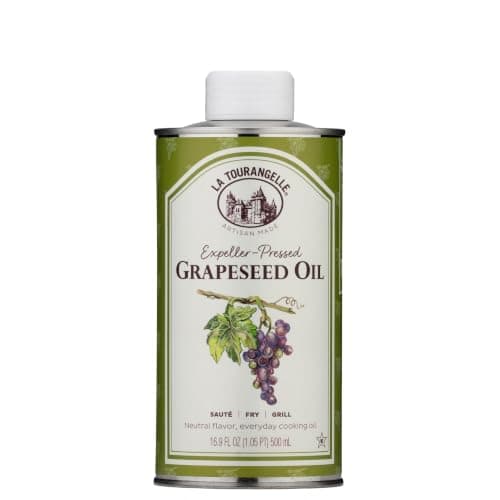
After that, season it like cast iron: thin coats of a neutral high-smoke-point oil, wiped almost dry, baked past the smoke point, repeated three or four times.
Where it beats cast iron and where it loses
Better for: eggs, fish, vegetables, anything you need to move quickly; anything where you want to drop the heat and have the pan actually respond; anything you need to lift and toss.
Worse for: a thick steak, where cast iron’s mass keeps the surface temperature up when cold meat hits it; cornbread and anything that wants a slow even bake; sitting in a hot oven for an hour.
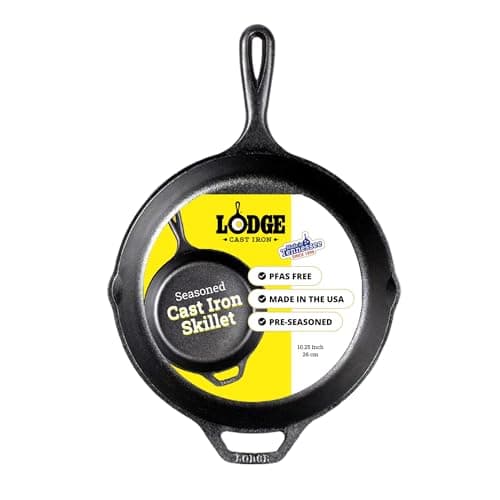
Most kitchens want one of each, and together they cost less than a single mid-range non-stick set that will be in landfill in four years.