Construction decides everything else
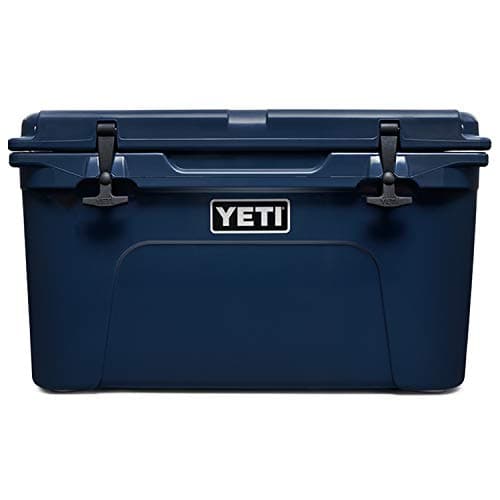
Rotomolding spins a heated mold so molten plastic coats the inside evenly. The result is a single seamless shell with thick walls and room for pressure-injected polyurethane insulation. No seams to split, no joins to fail, and genuinely multi-day ice retention.
Blow-molding inflates plastic into a mold, making a thinner hollow shell with less space for insulation. Lighter, far cheaper, and ice life measured in a long weekend rather than a week.
Both are legitimate products. The mistake is paying rotomolded money for blow-molded ice retention, or hauling a 30-pound empty cooler to a barbecue in the garden.
The warranty reality
YETI publishes five years on hard coolers. RTIC publishes five years on Ultra-Tough hard coolers, three on Ultra-Light and one on soft-sided - so the model matters as much as the brand. Igloo publishes one year on most coolers, three on Super Tough and five on Rotomold and IMX models.
Note that YETI and RTIC publish the same term at very different prices. Whatever the premium buys - and it buys real things - it is not a longer warranty.
The actual durability argument
It is not ice retention. It is that on a rotomolded cooler, the parts that fail are sold separately.
Latches perish. Hinge pins shear. Handles crack. Drain plugs get lost. All four are catalog items on YETI and RTIC, which means a ten-year-old cooler with a broken latch is a fifteen-dollar repair rather than a landfill item.
That is the thing worth paying for, and it is almost never the thing the marketing leads with.
Weight, which people forget
A 45-quart rotomolded cooler is heavy before you put anything in it. Full of ice and drinks it is a two-person lift, and that is the single most common regret about this category.
If the cooler goes from a car to a spot twenty feet away, that is fine. If it has to be carried any distance, or loaded by one person, measure honestly before buying. The Coleman with wheels exists for exactly this reason and is not a lesser product for it.
How to actually get the ice life
Pre-chill the cooler overnight with a sacrificial bag of ice. Use block ice rather than cubes - less surface area, slower melt. Fill it as full as possible, because air is the enemy. Keep the meltwater in rather than draining it, since cold water is better insulation than air. And keep it in shade.
Those five habits make more difference to real-world ice life than the gap between a YETI and an Igloo. A badly-used premium cooler loses to a well-used cheap one.