How we judged these
A camping stove does not wear out the way a boot or a jacket does. The steel does not thin, the brass does not fatigue, the pot supports do not abrade. What actually happens is that one small component stops doing its job: a jet clogs with carbon, a pump cup hardens and stops holding pressure, a regulator drifts out of range, a piezo igniter quits sparking. All four are cheap parts. None of them is a reason to buy a new stove.
So the ranking below is not about boil times. It is built on three questions, in this order:
1. Can you get the part? A published parts list and a service page beat any warranty length, because the warranty expires and the parts page does not. This is the single biggest spread in the category, and it is almost invisible at the point of sale.
2. What does the warranty document actually say? Not the marketing line on the box - the published terms. Three of the six stoves here have terms that would surprise anyone reading the price tag.
3. How many failure points does the design have at all? A stove with no valve, no jet, no pump and no igniter cannot fail in any of those four ways. That is a legitimate durability strategy and it is why one of the picks below is a design from the 1920s.
Boil time, weight and simmer control appear below where they affect the decision, because a stove you find annoying is a stove that stays in the garage - and a stove in the garage has a service life of zero regardless of how well it was built.
The best overall: a stove the maker expects you to rebuild
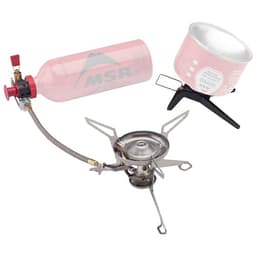
MSR’s published warranty is three years against defects in materials and workmanship, with normal wear, puncture, abrasion, misuse and abuse excluded, and MSR limited to repairing or replacing at its option. Read in isolation, that is a thoroughly ordinary term - shorter than a Nalgene bottle’s, shorter than an Osprey pack’s.
It is also not the point. The same document says MSR offers a wide variety of replacement and repair parts online, that many can be installed at home, and that damage the warranty does not cover may still be repaired for a reasonable fee by full-time technicians in MSR’s own repair shop. That is a different kind of promise from a warranty. A warranty says “if we built it wrong we will fix it.” A parts catalog says “when you wear it out, here is the jet.”
The multi-fuel capability matters for the same reason. A stove that burns canister gas, white gas and kerosene cannot be retired by a fuel standard changing or by a cartridge being unavailable where you are. It is the opposite of the trap that ends most appliances, which is a proprietary consumable going out of production.
What you pay for it: priming. Liquid fuel needs a warm-up routine, it will soot a pot if you rush it, and the first few attempts are genuinely awkward. If that sounds like a chore rather than a ritual, buy a canister stove and accept the shorter horizon.
The best warranty, and it is not close
Snow Peak publishes lifetime ownership on all of its outdoor hard goods: if a product fails to meet the company’s standards, Snow Peak says it will repair it or exchange it free of charge. The exclusions are the normal ones and they are stated plainly - scuffs, scratches, faded color and denting are normal wear, misuse and alteration are out, consumable replacement parts are treated as self-service, and apparel gets one year rather than the lifetime term.
On a titanium canister burner weighing under two ounces, that policy is unusual enough to be the reason to buy it. The LiteMax has no igniter, which removes the component most likely to kill a canister stove, and titanium does not corrode. There is very little left to go wrong, and what remains is covered for as long as you own it.
The honest cons: no igniter means carrying a lighter, and a three-arm support this narrow is genuinely tippy under a wide pan - this is a stove for a 0.9 liter pot, not a frying pan. It is also beaten on wind performance by a regulated stove, which is the next pick but one.
Car camping: the two-burner, and an honest account of it
The Coleman two-burner is the default for a reason, and we are not going to pretend otherwise: two independently adjustable burners, a case that blocks wind at a picnic table, and a fuel supply you can buy at any gas station in the country. Coleman’s own product page publishes a three-year warranty on the Triton, which is better than most budget stoves state at all.
Here is the part that belongs on a site like this one. We could not find an official Coleman parts or service route for this model. Third-party sellers list regulators and burner assemblies, but they are model-specific to the serial-number level, and buyer reports of parts that do not thread or do not fit the correct side of the stove are common. Enameled steel also chips, and chipped steel rusts.
So the accurate description is: a three-year appliance that frequently lasts ten, and then stops being a stove. If you camp out of a car four weekends a year, that is a perfectly rational purchase and the cheapest hot food on this page. It is simply not the same category of object as the two stoves above it, and the price difference is telling you so.
The design with nothing to break
An alcohol burner is a brass cup with a wick packed around the inside and an O-ring under the screw cap. There is no jet to clog, no pump to rebuild, no regulator to drift and no igniter to die. The failure modes that end every other stove on this page do not exist in it. This is why fifty-year-old Trangia burners turn up at estate sales still working, and it is the reason this design has barely changed since the 1920s.
The windshield is also the stove: the pot sits inside a shaped aluminum shell that surrounds the flame, which is why these keep cooking in weather that stalls a bare canister burner sitting out in the open. And the fuel is denatured alcohol, sold in hardware stores worldwide, with no proprietary cartridge anywhere in the chain.
We found no published Trangia warranty, so the page records that as none - and on this particular design, a missing warranty is close to the least important fact about it. The real costs are performance: roughly double the boil time of a canister stove, no useful simmer control without the optional accessories, and alcohol carrying less energy per ounce than gas, so a long trip means carrying more fuel. Those are the honest reasons not to buy it. “It might break” is not one of them.
Wind, and the warranty page with no number on it
The SOTO WindMaster is the best-performing canister burner here. The burner head is recessed into a concave bowl so the flame is shielded by the stove itself, and a micro-regulator holds output steady as the cartridge cools - which is the failure mode that makes unregulated canister stoves frustrating in cold weather and at the bottom of a cartridge. The igniter is mounted inside the burner rather than on an exposed arm, which is precisely where piezos usually get knocked off.
And then there is the paperwork. SOTO’s warranty page says that SOTO stands behind their product and that any product needing replacement should be brought to SOTO. It never states a duration. It does state what is excluded, and charges a repair fee for misuse, abuse, accident or tampering even within the warranty period - a warranty period whose length is not published anywhere on the page.
That is not the same as a bad warranty, and SOTO’s reputation for honoring claims is good. But an unstated term is an unenforceable one, and on a site that reads the documents rather than the marketing, it has to be marked as what it is. The detachable pot support cuts the other way and is a genuine durability feature: a bent arm is a part you replace, not a stove you bin.
The budget pick with the best policy on the page
The cheapest stove here is also attached to the most generous parts policy. Primus runs a published stove-service route that supplies free replacement parts through a US claim page. Its Expedition Service terms exclude normal wear, accident damage and misuse or poor maintenance - standard exclusions - but a program that posts you a part at no charge is worth more over fifteen years than a warranty you have to argue about.
The Classic Trail itself is simple: a brass valve body, a steel burner head and a wide folding three-arm support that takes a bigger pot than most burners this size. No regulator, so output falls off noticeably as the canister cools or empties, and no igniter. For a stove at this price, a brass valve body rather than a pressed-alloy one is the detail that matters.
What we considered and did not feature
Camp Chef Explorer. A genuinely good base-camp stove and the obvious answer for feeding a group off a 20lb tank. Camp Chef’s warranty page would not serve on three attempts, so we have no verified term for it. Retailer listings consistently say one year, but a retailer listing is not a warranty document, and this site does not publish a warranty figure it has not read at the source. If the page comes back, the stove gets added.
Integrated canister systems. The heat-exchanger pot systems boil water faster than anything here and are a good buy if boiling water is all you do. They are also the least repairable stoves in the category: the burner, regulator, igniter and pot are a matched set, and a failure in one usually retires all four. They are excluded on the merits, not for lack of a listing.
Wood-burning and solid-fuel stoves. Free fuel and nothing to break, which sounds ideal on this site’s terms. In practice they are banned wherever a fire ban applies, which is most of the American West for most of the summer, and a stove you cannot legally light is not a durable purchase.
The maintenance that decides the outcome
Four habits cost nothing and account for most of the difference between a stove that lasts three years and the same stove lasting twenty.
Burn the stove dry before storage. Fuel left in a liquid-fuel line varnishes as it evaporates, and varnish is what clogs a jet. Run the line empty, then store it.
Never store a canister attached. The valve seal is under constant compression while it is screwed on, and a hardened seal is a slow leak you discover when you need the stove.
Keep the O-rings soft. A pump cup, a canister seal and an alcohol burner cap all die the same way: the rubber dries out and stops sealing. A pinhead of the oil the maker specifies, once a season, is the whole maintenance program.
Wipe the pot supports. Spilled food carbonizes onto the arms, and carbonized food holds moisture against steel. This is cosmetic for a year and structural after ten.
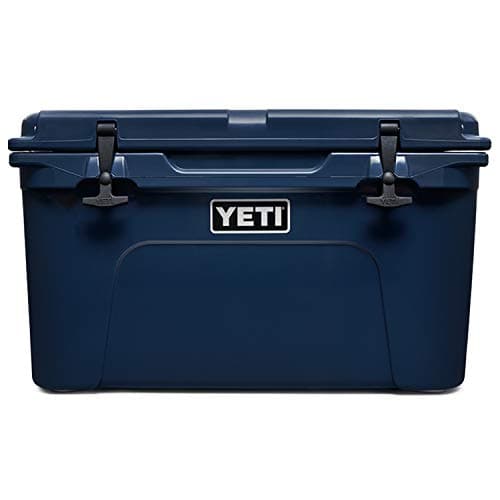
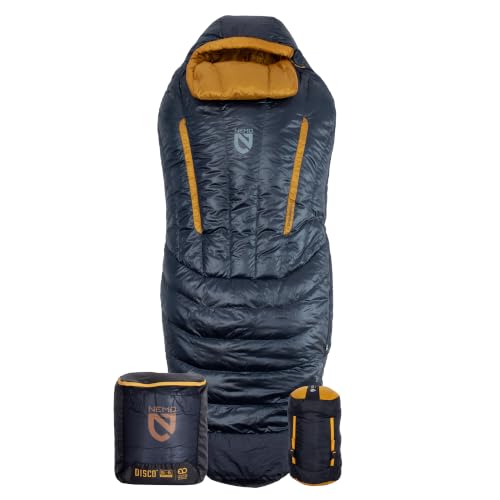
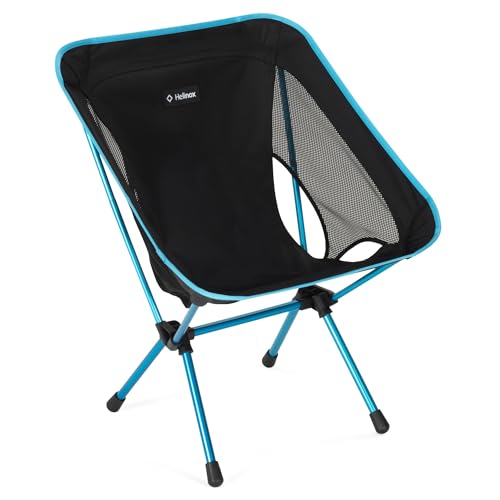
The same logic runs through every category on this site - it is why repairing gear instead of replacing it is the cheapest outdoor purchase there is, and why we keep a list of brands with genuinely lifetime warranties rather than brands that use the word. If you are building out a kit from scratch, the coolers and bottles pages apply the same test to the rest of the camp kitchen, and the sleeping bags that last and camp chairs that last pages apply it to where you sleep and where you sit - including the brand that publishes a lifetime term on its sleeping bags and one year on its chairs.
The short answer
If you want one stove for the next twenty years and you do not mind learning to prime it, buy the MSR: three years of warranty, an indefinite supply of parts, and a repair shop behind it. If you want a canister stove and you want the paperwork to match the price, buy the Snow Peak and carry a lighter. If the stove lives in a car and gets used four weekends a year, buy the Coleman, accept that it is an appliance rather than an heirloom, and spend the difference on a better cooler.
And if the idea of a stove with no jet, no pump and no igniter appeals more than any warranty on this page, the alcohol burner is the honest buy-it-for-life answer in this category. It is slow, it is heavy for the heat it makes, and it will outlive everything else here.