Forge & Forever

Boots & Leather

The Boot Care Kit, Built From Things That Each Do One Job

Boxed kits sell you four bottles of nearly the same thing. A kit worth owning has a cleaner, a conditioner, a waterproofer, a brush - and a reason for each one being in the box.

By Mike M.Published How we judge durability

How this page is funded. Forge & Forever earns a commission when you buy through the links here, at no extra cost to you. It does not change which products we pick or what we say about them - and we say plainly when something is not worth owning. Full disclosure.

Our top pick

Best all-purpose conditioner

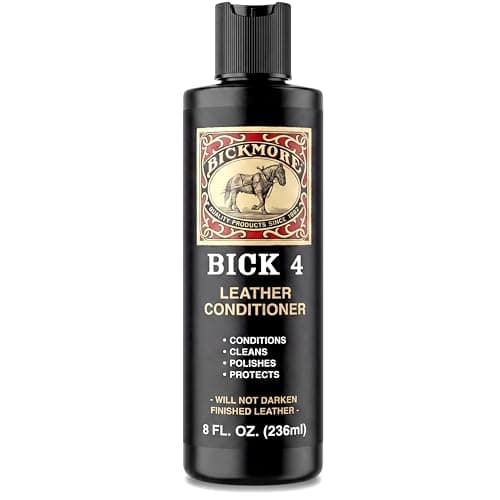
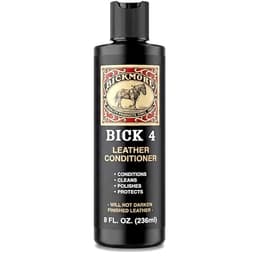
Bickmore Bick 4 Leather Conditioner

Bickmore Bick 4 Leather Conditioner

8.4/10 durability score

The safe default.

Read the full write-up


The short answer

Quick picks

Every pick here is one we recommend without reservation. Ranked on published warranty terms, whether the thing can be repaired, and what it is made of. Select a row to jump to the full write-up. How the durability score is calculated.

#ProductScoreBest forWarrantyPrice
1
Bickmore Bick 4 Leather Conditioner

Bickmore Bick 4 Leather Conditioner

The safe default. Bick 4 conditions without darkening, which matters enormously on tan and natural leathers where an oil-based product is a one-way decision.

8.4ExcellentBest all-purpose conditionerNone published
2
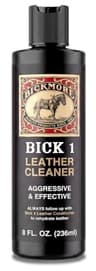
Bickmore Bick 1 Leather Cleaner

Bickmore Bick 1 Leather Cleaner

The step almost everyone skips. Bick 1 lifts surface dirt, sweat and winter salt off finished leather, and conditioning over the top of grit just grinds the grit in.

8.4ExcellentBest cleanerNone published
3
Kiwi 100% Horsehair Shine Brush

Kiwi 100% Horsehair Shine Brush

The one item in a boot kit that never needs replacing. Horsehair is stiff enough to knock dried mud out of a welt and soft enough to buff a cream finish, and a brush bought once is a brush owned for twenty years.

8.4ExcellentBest brushNone published
4
Obenaufs Heavy Duty LP Leather Preservative

Obenaufs Heavy Duty LP Leather Preservative

The one to use when the boot's job is to get wet. Beeswax and propolis in a paste that genuinely resists water - at the cost of darkening the leather permanently and softening it more than some people want.

8.4ExcellentBest for wet workNone published
5
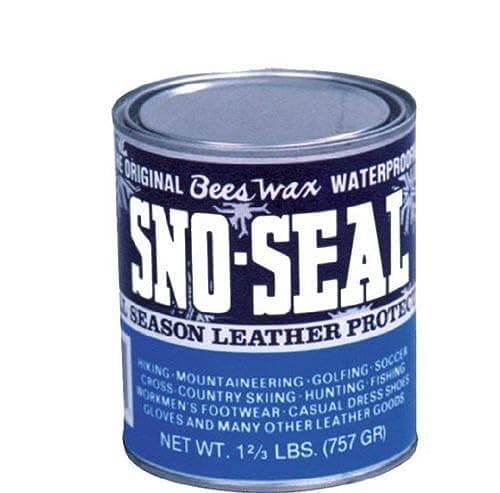
Atsko Sno-Seal Original Beeswax Waterproofing

Atsko Sno-Seal Original Beeswax Waterproofing

Pure beeswax, applied warm. The one product on this list that genuinely keeps feet dry through a winter, and the one most people apply wrong - it has to go on warm leather or it just sits on the surface.

8.4ExcellentBest winter waterproofingNone published
6
Fiebing's Yellow Saddle Soap

Fiebing's Yellow Saddle Soap

The hundred-year-old answer to a genuinely filthy boot. Worked up with a damp sponge it shifts mud and old dressing that a spray cleaner cannot touch, and it is the cheapest thing in any kit.

8.4ExcellentBest deep cleanNone published

What a care kit is for, and what it cannot do

Leather fails in one of two ways. It cracks, because it dried out and kept flexing anyway, or it rots, because it stayed wet. A care kit exists to prevent both, and that is the entire job description. It will not fix a crack that has already formed, it will not rebuild a worn-out sole, and no amount of conditioner buys back a boot that was glued together rather than welted.

That matters for how much to spend. On a resoleable boot, forty dollars of care products are what turn a three-year boot into a fifteen-year one, because the upper has to survive long enough to be worth a resole. On a cemented boot the sole will die first regardless, and the care kit is just slowing down the cosmetics.

The four jobs, in the order they happen

1. Clean. Dirt is abrasive, and winter road salt is actively destructive - it draws moisture out of leather and leaves crystals in the grain that cut it from the inside. Conditioning over the top of either one seals the problem in. This is the step most people skip, and skipping it is why boots that get conditioned regularly still look tired.

2. Condition. Leather is a protein structure held flexible by fats. Wear cycles, heat and water drive those fats out, and what is left behind is a stiff sheet that cracks where it folds. A conditioner puts oils back. This is the one item nobody should skip and the one most likely to be done to excess.

3. Waterproof, if the boot has a wet job. A wax barrier sits on the surface and buys hours rather than minutes before water gets through the grain. It is also a one-way decision on color for most products, which is why it belongs on a work boot and not automatically on everything you own.

4. Brush. A horsehair brush is how you get product off the surface and into the leather, knock dried mud out of the welt before it sets, and level a cream so the boot does not dry patchy. It is the cheapest item in the kit and the only one you will never replace.

The criteria we judged these on

Does it do one job well? The products in this kit are deliberately single-purpose. A combined cleaner-conditioner has to be mild enough not to strip and oily enough to feed, and it ends up doing both at half strength. The one exception is Bick 4, which cleans lightly as it conditions - which is why it is the conditioner here rather than an oil.

Is it reversible? Anything that darkens leather permanently is a decision you make once. Non-darkening products belong in the default kit; the darkening ones belong on boots whose job justifies it. Test every one on the tongue first, where nobody looks.

Does it suit the leather you own? Smooth, finished leather takes a cream. Oil- tanned work leather takes a grease. Suede and roughout take neither - they take a brush and a suede eraser, and a conditioner will ruin the nap. Waxed flesh-out leathers are their own category again.

Does a little go a long way? A tin that lasts five years is cheaper than a bottle that lasts one even when it costs three times as much, and it also removes the temptation to use too much.

Is there a warranty? On a consumable, no - and that is the honest answer rather than a gap in the research. Nothing in this kit carries a published warranty document, because all five products are things you use up. The warranty question on this site applies to the boot, not to the tin of wax that keeps it alive.

Why Bick 4 is the conditioner in the kit

Bick 4 is the safe default, and “safe” is doing real work in that sentence. It does not darken leather. That single property is why it belongs in a kit that has to serve whatever is in your closet - tan work boots, natural veg-tan, a dyed dress boot - without you having to decide in advance which boots you are willing to change the color of.

It also cleans lightly as it conditions, which makes it the right product for the monthly pass where the boots are dusty rather than dirty. And it is cheap enough that you will actually use it on schedule, which matters more than any difference in formula between the good conditioners.

The honest cons: it adds no meaningful water resistance, so it is not a substitute for a wax; it needs reapplying more often than a grease does; and it will not rescue leather that has already cracked - nothing will. If your boots live in genuinely wet conditions, Bick 4 is the wrong headline product and the Obenauf’s below is the right one. We go deeper on the formula question in our leather conditioner roundup, which compares six of them head to head.

The cleaner, which is the item people leave out

Here is the sequence that quietly destroys boots in a northern winter: wear them through road salt, notice they look dry, apply conditioner over the salt, repeat. The conditioner traps the salt against the grain and keeps it there, wet, for the rest of the boot’s life.

Bick 1 exists for that. It lifts surface dirt, sweat and salt without stripping the finish the way a degreaser or dish soap does, and it costs very little per use because cleaning takes a fraction of the product that conditioning does. Spray it on a cloth rather than the boot, work one panel at a time, and let it dry before anything else goes on.

What it is not: a conditioner. It adds no oil, no wax and no water resistance - it is the step before those. It is also wrong for suede, roughout and oiled nubuck, where the right tools are a brush and a block of suede rubber.

The brush: the only item here with no running cost

A horsehair brush does two jobs that nothing else does well. Dry, it knocks grit out of the welt stitching and the heel seam before that grit sets into a cement. After conditioning, it buffs the product level so the finish dries even instead of blotchy.

Horsehair is the right bristle because it is stiff enough to move dirt and soft enough not to scratch a finish. Brass and stiff nylon have their place on a sole and a welt - never on an upper. Keep one brush per color of polish, because the bristles hold pigment and will carry dark cream onto tan leather.

It carries no published warranty, which on a brush is the honest expectation rather than a complaint: there is nothing in it to fail except the bristles, and they will outlast the boots.

Waterproofing: Obenauf’s or Sno-Seal, not both

These two are the wet-work half of the kit, and which one you want depends on what wet means for you.

Obenauf’s Heavy Duty LP is beeswax, propolis and oil in a paste. It genuinely resists water, it revives leather that lighter conditioners cannot reach, and a tin lasts years. The trade is permanent: it darkens leather, and it softens a stiff boot more than some people want - which is the wrong direction if you bought that boot for ankle support.

Sno-Seal is pure beeswax, and it is the one product here that keeps feet dry through a winter rather than a storm. It also has a technique requirement that most people get wrong: it has to go onto warmed leather, or it sits on the surface as a film and does nothing. Warm the boot gently - a hairdryer, a warm room, not an oven - apply thinly, let it soak, buff the excess off.

Both darken. Both belong on a work boot and a winter boot, and neither belongs on a dress boot or on anything with a breathable membrane - for a lined boot, a water-based wax is the right choice, which is covered in how to waterproof boots.

Saddle soap, and the chaser it requires

Fiebing’s Yellow Saddle Soap is the once-a-year item. When a boot is genuinely filthy - caked mud, years of built-up dressing, the kind of state where a spray cleaner just smears it around - saddle soap worked up with a damp sponge is what shifts it.

The rule that keeps it from being a mistake: saddle soap is alkaline, it strips oils on the way through, and a conditioner afterwards is mandatory rather than optional. The second rule is to use a damp sponge, not a wet one. Soaking a welted boot drives water into the midsole and the cork filler, where it has no good way out.

Used that way, twice a year at most, it is the cheapest and most effective thing in the kit. Used weekly, it is how people dry out a pair of boots until they crack and then blame the leather.

The schedule

After every wet or muddy wear: brush the mud off dry, wipe the uppers, let them dry at room temperature away from heat. Drying boots next to a radiator or over a vent is the single fastest way to destroy leather, because it cooks the fats out of it.

Monthly, or when the grain goes matte: clean, then condition, then brush. Ten minutes for a pair.

Before the wet season: clean, condition, and wax if the boot has a wet job. Re-wax every few weeks of hard use - you will see when water stops beading.

Once or twice a year: saddle soap if the boot has earned it, then condition twice.

Never: heat, washing machines, silicone sprays on leather you intend to condition later, or mink oil on a boot you want to stay supportive. Mink oil softens aggressively and darkens unpredictably, and we leave it out of this kit on purpose.

What we left out, and why

Boxed kits. Priced for the idea of completeness. Open most of them and you find three variants of one conditioner, a cloth and a brush with bristles that fold over the first time you use them. Five separate products cost about the same, replace individually, and let you match the conditioner to the leather.

Mink oil and neatsfoot oil. Both work and both over-soften. On a work boot bought for support, that is a functional downgrade, not a feature. They also darken in a way that is hard to predict between hides.

Silicone and acrylic sprays. They repel water for a few weeks and leave a film that stops a conditioner reaching the leather afterwards. If a boot is ever going to be conditioned again, a spray is a mistake.

Dubbin on membrane-lined boots. Grease clogs the membrane that is supposed to be venting moisture out, which turns a waterproof-breathable boot into a bag. A water-based wax is the right product there.

What a kit cannot save

Cracked leather does not heal. A conditioner will make a crack look better for a day and then it comes back, because the fiber structure has already broken. The same goes for a rotted midsole, a collapsed heel counter and stitching that has been soaked and dried fifty times.

What it can do is push the boot far enough down the road that a resole is worth paying for, which is the decision this whole kit is really in service of. A hundred-dollar resole on a cared-for upper is the cheapest footwear in the world. The same resole on a cracked upper is money thrown at a boot that is finished - and how long boots last is mostly a story about which of those two situations you end up in.
In full

Every pick, written up

Warranty terms below are quoted from the brand’s own published documents. “Not published” means we looked and the brand does not say.

#1Best all-purpose conditioner

Bickmore Bick 4 Leather Conditioner

8.4Durability score ExcellentDurability score

The safe default. Bick 4 conditions without darkening, which matters enormously on tan and natural leathers where an oil-based product is a one-way decision.

What it gets right

  • Does not darken leather, so it is safe on light and natural finishes
  • Cleans and conditions in one pass
  • Cheap enough to use on schedule rather than in emergencies

Good to know

  • No meaningful water resistance - it is a conditioner, not a waterproofer
  • Needs reapplying more often than a wax
  • Will not rescue leather that is already cracked
WarrantyNone published

Consumable - no product warranty applies.

RepairabilityReplace on failure

Not published

MaterialsEmulsion conditioner, non-darkening
Made inNot published
#2Best cleaner

Bickmore Bick 1 Leather Cleaner

8.4Durability score ExcellentDurability score

The step almost everyone skips. Bick 1 lifts surface dirt, sweat and winter salt off finished leather, and conditioning over the top of grit just grinds the grit in.

What it gets right

  • Removes salt and sweat residue that conditioner would otherwise seal under the surface
  • Does not strip the finish the way a degreaser or dish soap does
  • A bottle outlasts several tins of conditioner, because cleaning takes very little product

Good to know

  • It is a cleaner only - it adds no oil, no wax and no water resistance
  • Not for suede, roughout or oiled nubuck, where a brush and a bar of suede rubber are the right tools
  • Stubborn salt lines may need two passes and a cloth you are willing to ruin
WarrantyNone published

Consumable - no product warranty applies.

RepairabilityReplace on failure

Not published

MaterialsSpray-applied surface cleaner for finished leather
Made inNot published
#3Best brush

Kiwi 100% Horsehair Shine Brush

8.4Durability score ExcellentDurability score

The one item in a boot kit that never needs replacing. Horsehair is stiff enough to knock dried mud out of a welt and soft enough to buff a cream finish, and a brush bought once is a brush owned for twenty years.

What it gets right

  • Horsehair bristles do not scratch leather the way synthetic or brass bristles can
  • Does the two jobs that matter: dry-brushing grit out of the welt, and buffing conditioner back to an even finish
  • Nothing in it can wear out except the bristles, and they outlast the boots

Good to know

  • No published warranty - it is a brush, and the honest expectation is that it simply never fails
  • Keep one brush per color of polish or you will transfer dark pigment onto tan leather
  • Not aggressive enough for welted mud; use a stiff nylon or brass brush on the sole, never on the upper
WarrantyNone published

Not published

RepairabilityReplace on failure

Not published

Materials100% horsehair bristles
Made inNot published
#4Best for wet work

Obenaufs Heavy Duty LP Leather Preservative

8.4Durability score ExcellentDurability score

The one to use when the boot's job is to get wet. Beeswax and propolis in a paste that genuinely resists water - at the cost of darkening the leather permanently and softening it more than some people want.

What it gets right

  • Real, lasting water resistance from a beeswax base
  • A single tin lasts years
  • Revives dried-out leather that lighter conditioners cannot reach

Good to know

  • Darkens leather permanently - test on the tongue first
  • Softens stiff boots, which is wrong for a boot you want supportive
  • Messy to apply
WarrantyNone published

Consumable - no product warranty applies.

RepairabilityReplace on failure

Not published

MaterialsBeeswax, propolis and natural oil paste
Made inNot published
#5Best winter waterproofing

Atsko Sno-Seal Original Beeswax Waterproofing

8.4Durability score ExcellentDurability score

Pure beeswax, applied warm. The one product on this list that genuinely keeps feet dry through a winter, and the one most people apply wrong - it has to go on warm leather or it just sits on the surface.

What it gets right

  • Beeswax barrier that survives weeks of wet, not days
  • Does not soften leather the way oils do
  • A quart can is effectively a lifetime supply

Good to know

  • Must be applied to warmed leather to work at all
  • Darkens leather
  • Will dull a polished finish
WarrantyNone published

Consumable - no product warranty applies.

RepairabilityReplace on failure

Not published

MaterialsPure beeswax
Made inNot published
#6Best deep clean

Fiebing's Yellow Saddle Soap

8.4Durability score ExcellentDurability score

The hundred-year-old answer to a genuinely filthy boot. Worked up with a damp sponge it shifts mud and old dressing that a spray cleaner cannot touch, and it is the cheapest thing in any kit.

What it gets right

  • Cuts through caked mud, old wax and years of neglected dressing
  • Costs so little that you use it when the boot needs it rather than saving it
  • One tin covers a decade of seasonal cleans on a couple of pairs

Good to know

  • Saddle soap is alkaline and will dry leather out, so a conditioner afterwards is mandatory, not optional
  • Easy to over-wet the leather, which is how people ruin welted boots
  • Leaves a residue in the stitching if you do not wipe it back off
WarrantyNone published

Consumable - no product warranty applies.

RepairabilityReplace on failure

Not published

MaterialsTraditional saddle soap paste
Made inNot published

FAQ

Questions people actually ask

What should be in a boot care kit?

Four things, and they are not four kinds of conditioner. A surface cleaner for salt and grime, a conditioner to put back the oils the leather loses, a horsehair brush to work product in and buff it level, and a waterproofing wax if the boot has a wet job. A tin of saddle soap is the fifth item, for the once-a-year clean when the boot is genuinely filthy. Anything beyond that is duplication.

Do I need both a conditioner and a waterproofer?

Only if the boot gets wet. A conditioner keeps leather flexible, which is what stops it cracking at the flex point; a wax sits on the surface and resists water, and most waxes darken the leather permanently. A dress boot or a dry-climate work boot needs the conditioner and nothing else. A boot that stands in snow, mud or a wash-down bay needs both, in that order - condition first, wax second.

How often should I condition my boots?

By condition, not by calendar. Dry leather tells you: the grain goes matte, the creases look pale, and a drop of water soaks in instead of beading. For a daily-wear boot that usually lands somewhere between every one and three months, and a boot worn once a week can go two or three times longer. Over-conditioning is a real failure mode - it softens a boot that is meant to support your foot, and it can rot stitching if you keep saturating it.

Is saddle soap bad for boots?

It is bad for boots used wrong, which is most of the time it gets blamed. Saddle soap is alkaline: it cuts mud and old dressing that a spray cleaner cannot touch, and it strips oils out of the leather on the way through. Used once or twice a year, with a sponge rather than a soaking, and always followed by a conditioner, it is the right tool. Used weekly with no conditioner afterwards, it will dry a boot out until it cracks.

Should I buy a boxed boot care kit instead?

Usually not. Boxed kits are priced around the perception of a complete solution, and the contents are often three variations of the same conditioner plus a token brush. Buying four products separately costs about the same, replaces individually as each runs out, and means you can match the conditioner to your leather rather than to whatever the box contained.

In one line

Our recommendation

If you read nothing else on this page: this is the one we would buy, and the one we would buy instead if it did not fit. Both are scored on the same published warranty terms, repair paths and materials as everything else here.

Buy this one

Bickmore Bick 4 Leather Conditioner

Best all-purpose conditioner

8.4/10 durability score

Or, the runner-up

Bickmore Bick 1 Leather Cleaner

Best cleaner

8.4/10 durability score

Read next

Related on Forge & Forever

See everything in Boots & Leather

Brands: want your product tested? For Brands.