The soap myth, settled
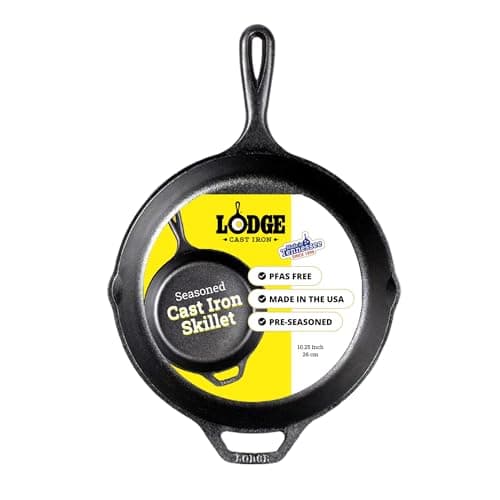
The advice not to use soap on cast iron dates from an era when soap meant lye-based soap, which saponifies fats - it genuinely would attack a seasoning layer. Modern washing-up liquid is a surfactant detergent. It lifts loose grease off the surface and leaves polymerized seasoning, which is chemically bonded to the iron, completely alone.
You can use soap. It is better than not using soap, because old grease sitting on a pan goes rancid and tastes of it.
What actually ruins cast iron
Leaving it wet. This is the only real enemy. Water sitting in the texture of a casting is how rust starts, and it starts within hours.
The dishwasher. Aggressive detergent plus a long wet cycle. One trip will leave a pan orange.
Soaking. Same problem, slower. Never leave a pan in the sink overnight.
Long acidic cooks. A two-hour tomato braise strips seasoning and picks up a metallic taste. Short acidic cooks are fine.
Everything else on the internet’s cast iron anxiety list - metal utensils, high heat, scrubbing - is either harmless or recoverable in twenty minutes.
The drying step is the whole routine
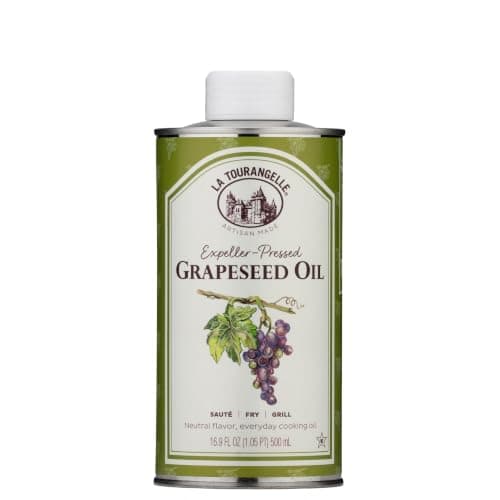
Wash the pan, then put it back on a burner for a minute or two until the water has completely evaporated and the metal is warm to the touch. Then wipe a few drops of oil over the surface and wipe it back off.
That is it. Ten seconds, after every use, and the pan maintains itself indefinitely. People who end up stripping and re-seasoning annually are almost always the people air-drying on a rack.
Tools, briefly
A stiff brush is the correct first tool: it cleans without touching the seasoning.
Stainless chainmail is the right answer for stuck-on carbon. It is more aggressive than a brush and far less so than steel wool, it does not absorb oil, it cannot go moldy, and it has no realistic wear-out mode - a genuinely lifetime cleaning tool for under twenty dollars.
Steel wool is for stripping a pan back to bare metal, not for cleaning one. It takes the seasoning with it.
Bringing a rusted pan back
A rusted cast iron pan is not ruined - it is a twenty-minute job. Steel wool and hot water until you are back to gray metal, or a 50/50 vinegar-water soak for no more than an hour. Watch it: beyond an hour the vinegar starts etching the iron itself.
Then dry it immediately and completely, and season from bare metal with four thin oven rounds. That is the whole recovery, and it is why cast iron is the most forgiving cookware there is.