Wallets fail in two places
Not the leather. The stitching on the fold, which flexes every time you open it, and the top edge of the card slots, where a card edge saws at the grain thousands of times a year. A wallet with beautiful leather and ordinary thread will fail before a wallet with ordinary leather and bar-tacked corners.
That is why the metal wallet wins this page. The Ridge's elastic is the only part that wears, and Ridge sells replacement kits for a few dollars. A wallet where the consumable is a spare part rather than the whole object is an architecture almost no leather wallet offers.
What the warranties actually say
Bellroy publishes a three-year warranty, extending to six years on some models. That is a real, specific commitment and it is far more than most leather goods carry - and it is still only three to six years, which tells you something about the category's own expectations.
The Ridge publishes a lifetime warranty on the wallet body, which is an easy promise to make about two machined aluminum plates and a set of screws. It is nonetheless a promise, and it is paired with the replacement-elastic path that actually matters.
Rogue Industries and most traditional leather makers publish nothing we could find. That is normal in leather goods and it is not a scandal - it is simply a reason to buy on the construction rather than the paperwork.
Leather grade, briefly
Full-grain is the outermost layer of the hide with the grain intact: densest, most abrasion-resistant, develops patina. Top-grain has had that surface sanded off and a finish applied, which looks uniform at first and wears through. Genuine leather, despite the name, is a lower split. Bonded or PU leather is leather dust glued to a backing and it delaminates - avoid it entirely in a wallet, where it will be flexed constantly.
Bison, which Rogue uses, is worth a note: it is thicker and more scar-resistant than cowhide at comparable weights, with a coarser grain. It takes longer to break in and then stays broken in.
Capacity is a durability question
An overstuffed wallet is the single biggest cause of early failure. Cramming twelve cards into a six-card bifold stretches the slots permanently, pulls the stitching and puts a permanent curve in the leather. If you carry a lot, buy for the carry rather than buying slim and overloading it.
The slim-wallet trend is good advice badly applied: carry less, then buy a small wallet. Not the other way round.
Care, which almost nobody does
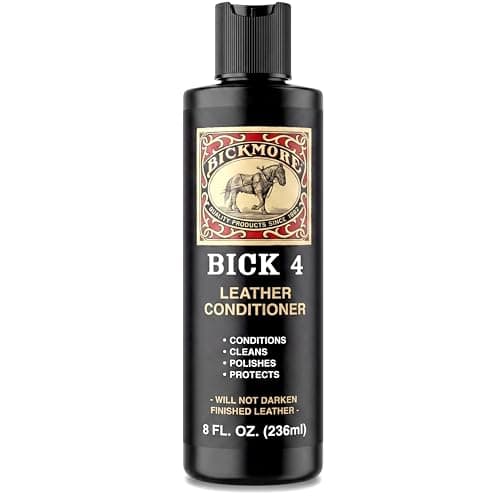
A leather wallet wants a neutral cream twice a year - the same Venetian or Bick 4 you use on boots, applied sparingly with a cloth. Never use a beeswax grease: it will soften the wallet, darken it and transfer onto everything in your pocket. And take it out of your back pocket before you sit down, which does more for a wallet's life than any product.