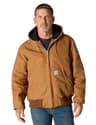
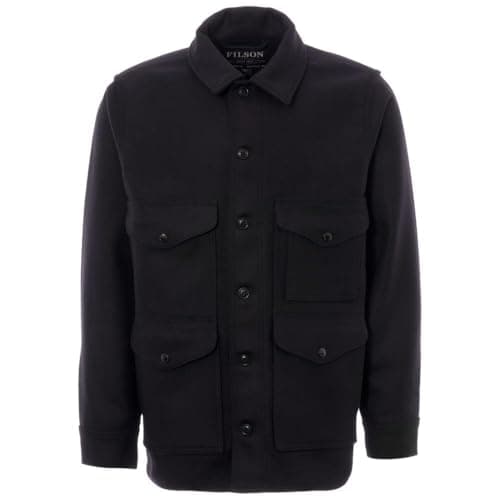
The jacket outlives the zip, always
A 12oz duck canvas shell or a 26oz Mackinaw wool body will take a decade of hard use. The zipper is the only moving part, it is operated several times a day in grit and cold, and it will fail long before the fabric does.
Carhartt’s published limited warranty makes this explicit: it covers defects in materials and workmanship, and does not cover normal wear and tear including zippers and other hardware. The manufacturer has named the failure point in its own exclusion list, which is as clear a signal as you will get.
Budget for one zip replacement over the life of any work jacket you intend to keep. An alterations tailor will do it for a fraction of a new jacket, and it resets the garment.
The one genuine lifetime guarantee
Filson guarantees every item for the lifetime of the item against failure of materials, workmanship, craftsmanship and manufacturer defects - and, unusually, it defines what that means: product lifetime is the point at which, through normal use, the item can no longer function for its intended purpose.
Excluded: animal damage, chemical damage, shipping damage, extreme wear and third-party alterations. “Extreme wear” is doing some work in that sentence and hard brush work could plausibly qualify - but it is still the strongest garment guarantee in this hub by a distance, and it is paired with fabric built to make it cheap to keep.
Wool or waxed cotton
Mackinaw wool at 26oz is warm when wet, silent in brush, fire-resistant in a way synthetics are not, and needs essentially no maintenance. It is heavy and it is not waterproof - it sheds rain for a while and then wets out, while staying warm.
Tin cloth - oil-finish cotton - is effectively armor against thorns and abrasion and is genuinely weatherproof while the wax is intact. The catch is that it is only weatherproof while the wax is intact, which means re-waxing every year or two with a tin of oil finish wax. That is maintenance most buyers do not anticipate.
Duck canvas is the cheap middle: water-repellent not waterproof, tough, and miserable until it softens.
Lining decides the temperature range
Blanket lining is warm without bulk and is the standard for cold outdoor work. Quilted lining is warmer and bulkier. Unlined is right for layering and for anyone who works hard enough to generate their own heat.
An unlined shell plus a separate insulating layer is more versatile and usually outlasts a lined jacket, because the lining is often what wears out first on the inside.
What to look at before buying
Cuffs and hems, which abrade first. Pocket corners, which tear. The collar, which takes sweat and dirt. And the zipper - a chunky metal zip with a solid slider will outlast a lightweight one by years.
All four are visible in a shop and in good product photography, and all four tell you more about how long the jacket will last than the brand name does.