Claims fail on process, not merit
A lifetime warranty is only worth what you can actually collect on it. In practice most people never claim - not because the claim would be refused, but because they cannot find the receipt, they do not know the process exists, or the worn-out item went in the bin before anyone thought about it.
That is the real failure mode in this whole category, and it is almost entirely preventable at the point of purchase.
The five minutes that matter happen at purchase
Save the order confirmation email. Not the till receipt. Thermal paper fades to blank within a few years, and a 30-year Osprey guarantee that requires proof of purchase is worthless if the proof has turned into a blank strip.
A searchable email folder - or a single note with order numbers - costs five seconds and is the difference between a warranty and a story about a warranty.
Buy from an authorized retailer where the policy requires it. Osprey, NEMO and several others void coverage on gray-market purchases, and a marketplace listing that looks identical may not qualify.
Know which bucket your failure is in
Before filing anything, read the exclusions. They are short and they are where the information is.
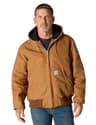
Carhartt excludes normal wear and tear including zippers and other hardware. Channellock excludes “the natural wear that comes from hard work”. Ruffwear excludes chewing. Spyderco excludes improper sharpening. Estwing excludes wearing out.
If your failure is in the exclusion list, you are not making a claim - you are buying a replacement, and knowing that saves everyone a fortnight.
The four remedies, and which you will get
Replacement. Most defect warranties on simple products. Lodge, Victorinox, Knipex.
Repair. Osprey, Briggs & Riley, Benchmade’s LifeSharp. Usually the better outcome on anything you have spent years getting to fit.
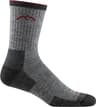
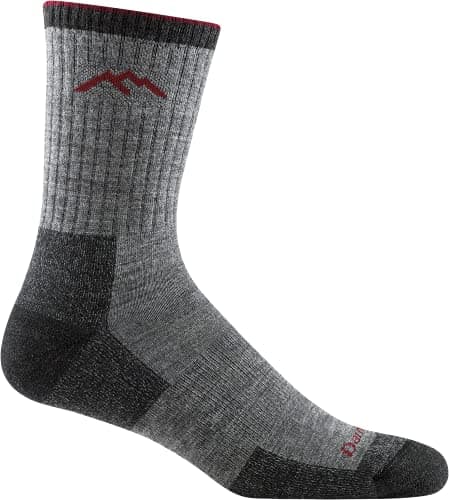
Credit. Darn Tough issues an account credit you then spend on a replacement pair with free shipping. Ruffwear issues a gift card in the US.
Discount. Le Creuset publishes 75 percent off a similar item where it judges damage to be user error.
All four are legitimate. Expecting the first and getting the fourth is where most of the frustration in this category comes from.
What a good claim looks like
A clear photograph in natural light showing the whole product, a second close-up of the failure, the approximate purchase date, the proof of purchase if required, and two factual sentences about how the item was used and what went wrong.
No argument, no history, no comparison to a competitor. Assessors process hundreds of these and a short factual claim moves faster than a long aggrieved one.
Paid repair is the forgotten option
When a claim is genuinely outside the warranty, ask whether the brand repairs for a fee. Buck states that where damage was caused by misuse, its repair department can analyze the damage and repair it for a reasonable fee. Danner’s recrafting is a paid service, not a warranty claim, and it rebuilds more of the boot than a warranty would.
A paid repair at a fraction of replacement cost is frequently the best outcome available, and almost nobody asks for it.