The short answer on the words
In US consumer goods, guarantee and warranty are not meaningfully different. The Magnuson-Moss Warranty Act governs written warranties on consumer products regardless of which word appears on the packaging, and it requires the terms to be available to a buyer before purchase.
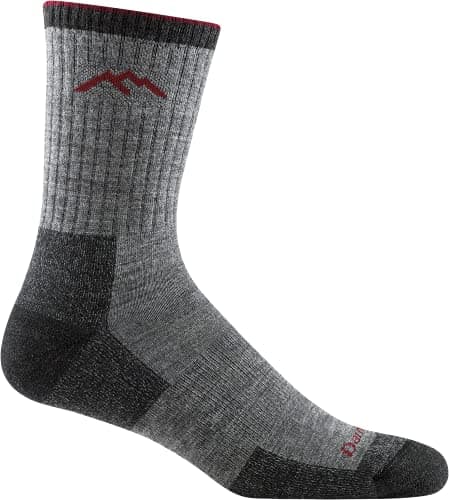
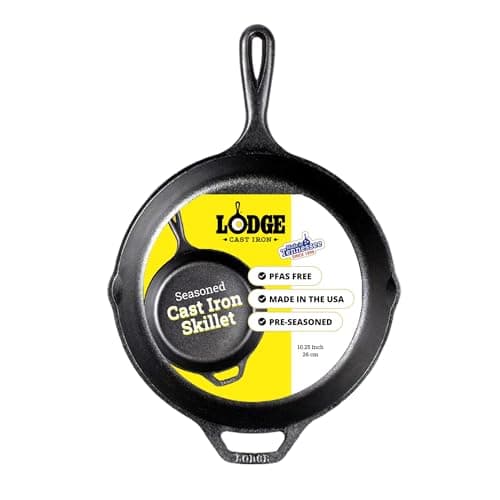
Companies pick whichever word sounds better. Darn Tough says guarantee; Lodge says warranty. Neither is making a different legal commitment by the choice of noun.
What is worth knowing is the full versus limited distinction, which Magnuson-Moss does define: a full warranty must offer free remedy within a reasonable time, cannot limit implied warranties, and must apply to anyone who owns the product during the warranty period. Almost every lifetime term you will meet is a limited warranty.
The four shapes a lifetime term takes
1. Unconditional lifetime. The product is replaced when it wears out from ordinary use, with no receipt and no argument. Rare. Darn Tough, GRIP6, TEKTON, and Briggs & Riley’s repair-for-life program.
2. Limited lifetime, defects only. The common form. Covers a manufacturing fault for the lifetime of the product or the original owner - not damage you caused and not wear you produced. Lodge, All-Clad, Knipex, Victorinox, Maglite, JanSport and most of the rest.
3. Lifetime with a discount remedy. Where the company judges the damage to be user error, the remedy is a discount rather than a replacement. Le Creuset publishes exactly this: 75 percent off the current retail price of a similar item.
4. A long number dressed as forever. Leatherman publishes 25 years. Osprey publishes 30. YETI and RTIC publish five. Seiko publishes three. All honest terms; none of them is a lifetime.
The four questions that sort any warranty
Whose lifetime?
“Lifetime of the product” is circular by construction - a product’s lifetime ends when it fails, so a worn-out item can be deemed to have reached the end of its life. “Lifetime of the original purchaser” is clearer.
Filson handles this honestly by defining the term: product lifetime means the point at which, through normal use, the item can no longer serve its intended purpose.
Is it transferable?
Usually not. Le Creuset’s is explicitly non-transferable, which quietly removes a lot of the value of a second-hand purchase in a category with a thriving resale market.
Does it need a receipt?
Red Wing requires the original receipt. Osprey requires proof of purchase from an authorized retailer. Darn Tough and TEKTON require nothing. Over a twenty-year horizon, a receipt requirement is close to a nullification unless you plan for it.
What is excluded by name?
Always read this first, because it is where the drafting effort went. Carhartt names zippers and hardware. Ruffwear names chewing. Channellock names “the natural wear that comes from hard work”. Spyderco names improper sharpening. Estwing names wearing out.
In every case the named exclusion is the most likely real-world failure. That is not an accident and it is not dishonest - it is simply where the company drew the line, printed clearly.
What a lifetime term actually tells you
More about the product than about the company’s generosity.
Cast iron, clad stainless and hand tools are full of lifetime warranties because those products have no realistic failure mode - the promise is cheap to make and cheap to keep. Clothing, dog gear and footwear are not, because those products genuinely wear out.
Which means the presence of a lifetime term is weak evidence of quality on its own. The useful signal is a lifetime term in a category where products normally wear out. That is what makes Darn Tough remarkable and a lifetime warranty on a wrench merely normal.