Scope is nearly identical. Process is not.
Read enough tool warranties and they converge: defects in materials and workmanship, for the life of the tool or the original purchaser, excluding misuse and wear.
What separates them is what you have to do to claim, and over a thirty-year horizon that is the whole difference between a warranty and a slogan.
The process ladder
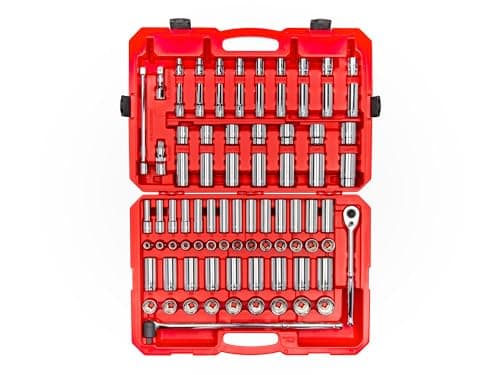
TEKTON - nothing required. No time limits, no receipts, shipping paid by TEKTON. Submit before 2pm Eastern on a weekday with complete information and a replacement ships the same day.
Craftsman - walk in. A full lifetime warranty on hand tools and mechanic tools, claimed by returning the product to the original place of purchase for repair or replacement.
Irwin - life of the tool under normal wear and tear, excluding misuse and alteration.
GEARWRENCH - original purchaser. Lifetime for the original consumer purchaser, excluding modification, disassembly, reassembly, alteration, improper use or storage, negligence, misuse, abuse and unauthorized repair.
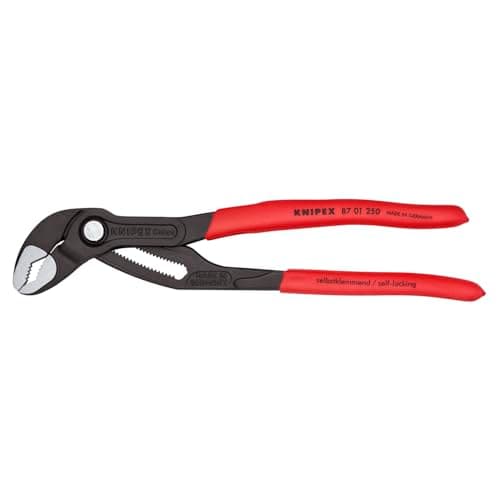
Knipex - four requirements. A Return Goods Authorization number, return of the tool, proof of purchase, and confirmation you are the original end-user purchaser.
All five are lifetime warranties. They are not equally claimable.
The honest exclusions, and the brands that name them
Channellock covers defects in materials and workmanship but not the natural wear that comes from hard work. That is possibly the clearest sentence in any warranty we read for this site.
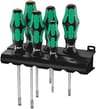
Wera names bits, bitholders and L-keys as consumables and excludes them.
Wiha excludes bits, power tool accessories, tweezers and torque tools, and rates torque tools for 5,000 cycles or one year.
Estwing states plainly that its warranty is not a lifetime warranty, warrants against failure in normal use, and lists wear from faithful use as grounds for rejecting a claim.
Every one of those is a company being straight rather than hiding behind a vague term, and we think that is worth more than a longer-sounding promise.
What voids a tool warranty
Using it as something else. Pliers as a hammer, a screwdriver as a chisel, a wrench as a pry bar. All common, all excluded, all visible on the tool when it comes back.
Cheater bars. Slipping a pipe over a wrench handle for leverage. The tool was engineered for hand force; doubling it is misuse.
Disassembly. GEARWRENCH names it specifically. Taking a ratchet apart to clean it can void the warranty on it.
Why power tools are different
You will not find a lifetime warranty on a power tool, and you should not expect one. Motors have brushes that wear, electronics fail, batteries have a finite cycle count. One to five years is the honest industry standard.
The hand tools in this hub have no equivalent wear-out mechanism beyond the cutting edge, which is why the warranties can be what they are. It is a property of the product, not generosity.
The practical advice
Save order confirmation emails in a searchable folder. Buy from authorized retailers where the warranty requires it - gray-market purchases void several of the policies above. Photograph a failure before shipping anything.
And weight your buying toward brands with a simple process. A lifetime warranty you will realistically claim is worth more than a longer one buried behind four requirements.