What it is
Duck is a plain-woven cotton canvas - each weft yarn passes alternately over and under each warp yarn, with two yarns in the warp for every one in the weft. That tight, balanced structure is why it resists abrasion so well compared with a twill of the same weight.
The name comes from the Dutch doek, meaning cloth, and has nothing to do with the bird that sometimes appears on labels.
What the ounce number means
The weight of a square yard of the fabric. More ounces means more cotton per unit area, which means more abrasion resistance, more stiffness, more warmth and more weight.
8 to 10oz - lightweight work shirts and summer trousers. Comfortable, wears through in a season of hard use.
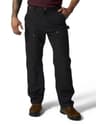
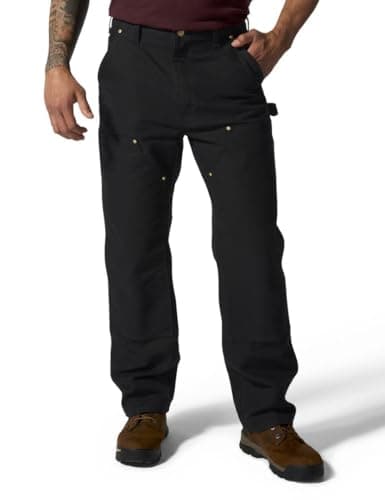
12oz - the firm duck standard for work trousers and jackets. Genuinely hard to tear, genuinely miserable for the first month.
15oz and up - heavy outerwear and bib overalls. Nearly armour and correspondingly immobile.
A 12oz duck jacket is the point at which a garment stops being annual and starts being a decade purchase, which is why so much of this hub clusters around that number.
Firm, washed and sanded
Firm duck is untreated. Maximum abrasion resistance, maximum stiffness, and the month of break-in people complain about. It softens with wear and washing and never becomes soft.
Washed duck has been pre-washed to relax the fibers. Comfortable from day one, slightly less abrasion resistant, and it has already done most of its shrinking.
Sanded or brushed duck has had the surface abraded for a softer hand. Softest and least durable of the three.
The trade is consistent and it is yours to make: every step toward comfort is a step away from abrasion resistance.
How it compares
Versus denim. At comparable weights duck resists abrasion better because the plain weave packs more yarn into the same area. Denim’s twill is more flexible and breaks in more comfortably, which is why denim rules trousers and duck rules outerwear.
Versus ripstop. Ripstop has reinforcing threads woven into a grid so a tear stops spreading. It is lighter and tears less catastrophically; duck resists the initial abrasion better. For work where you snag on things, ripstop. For work that sands fabric away, duck.
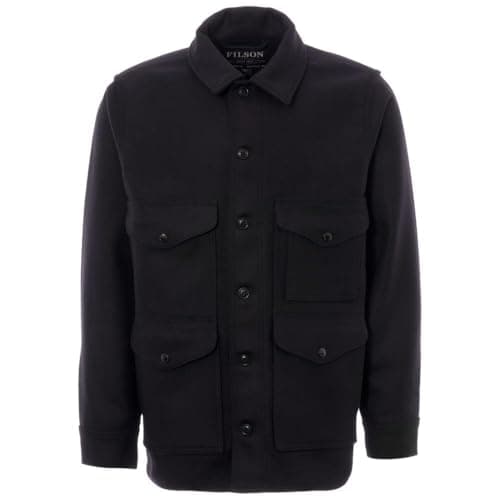
Versus oil-finish cotton. Filson’s tin cloth is cotton impregnated with wax, which adds genuine weatherproofing and thorn resistance at the cost of annual re-waxing. It is the next step up from duck and a maintenance commitment.
Living with it
Wash it cold and hang it to dry; hot drying shrinks untreated cotton. Expect firm duck to shrink slightly on its first wash and buy accordingly.
And patch it rather than replacing it. Heavy cotton canvas takes a machine patch indefinitely, and a double-front knee can be re-patched several times over - which is why these garments outlive the warranties that exclude the wear that ends them.