Technique beats product here
Most of the ice-retention arguments online compare coolers. They should compare habits. A pre-chilled, fully-packed, shaded cooler with block ice will out-hold an expensive one that was loaded warm at a petrol station and opened every ten minutes.
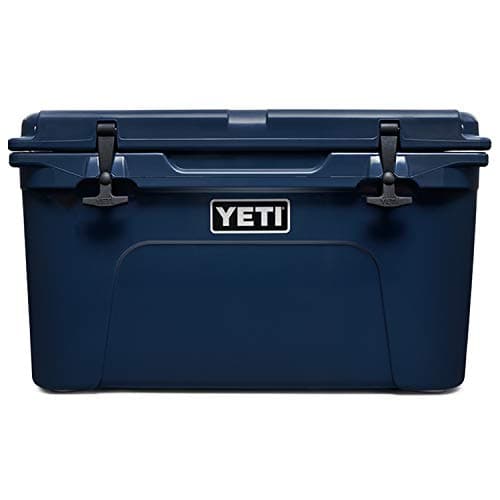
The construction difference is real - a rotomolded cooler holds ice for days where a thin blow-molded one holds it for a long weekend - but the packing difference is comparable in size and costs nothing.
The physics in one paragraph
Ice does not keep things cold by being cold. It keeps things cold by melting: changing from solid to liquid absorbs a large amount of energy at a constant temperature. So every joule of heat that enters your cooler - through the walls, through the lid seal, through warm contents, through warm air when you open it - is paid for in melted ice.
Every technique below is a way of reducing the heat that gets in, or of making sure the ice you brought is not spent on something avoidable.
The three biggest wins
Pre-chill the cooler. A warm plastic shell is a substantial heat reservoir, and cooling it is paid for out of your first bag of ice. A sacrificial bag overnight often buys a full extra day.
Fill it completely. Air is the problem. Empty space warms up instantly every time the lid opens and then has to be re-cooled. Fill gaps with ice, with towels, with anything.
Keep it shut. Every opening dumps cold air out and warm air in. A separate small cooler for drinks - the things people reach for constantly - keeps the food cooler closed, and that single change is worth more than any upgrade.
The meltwater argument
Draining the meltwater feels tidy and is usually wrong. Cold water conducts heat better than air, which here is a feature: it keeps the contents in direct thermal contact with the remaining ice and fills the space that would otherwise be warm air.
Drain it when food packaging is sitting in it, or before carrying the cooler any distance - water is heavy. Otherwise leave it.
Where the cooler itself matters
Once you are doing all of the above, construction becomes the limiting factor and the premium coolers earn their money: thick walls, a proper gasket, and latches that pull the lid down hard enough to seal.
That is also where the parts question matters. Latches, hinge pins, handles and drain plugs are replaceable on a rotomolded cooler, which is the real durability argument covered on the cooler roundup linked below.