Both guarantees, quoted
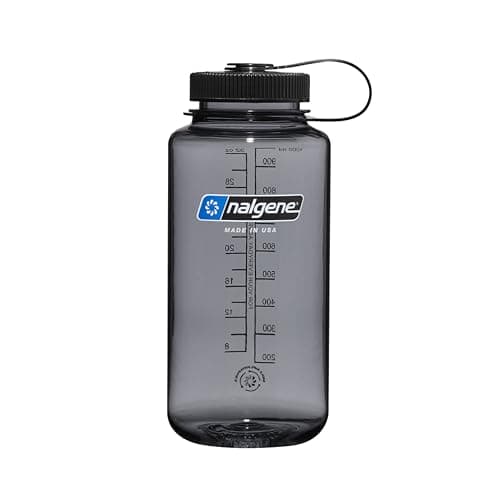
Nalgene: a lifetime guarantee covering functional damage to the bottle - cracks, breaks or broken components - from regular intended use. It excludes loss, theft and cosmetic damage including scratches, nicks and worn prints.
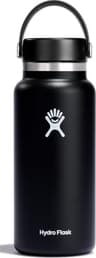
Hydro Flask: a limited lifetime warranty covering manufacturing defects.
Both are lifetime terms on products at very different prices, which is already an unusual situation.
What each one actually is
A Nalgene is a 32oz Tritan copolyester container with a loop-top cap physically attached to the neck. It weighs almost nothing, costs about sixteen dollars, and has exactly two parts.
A Hydro Flask is a double-walled stainless vacuum flask with a powder-coated exterior and an ecosystem of interchangeable lids. It keeps cold water genuinely cold for most of a day.
They are both “water bottles” and they are not really competing for the same job.
Weight, which decides more hikes than insulation does
An empty 32oz Nalgene weighs roughly a quarter of an empty insulated steel bottle of similar capacity. Carrying two liters on a long day, that is a meaningful difference in a pack.
It is also why Nalgenes are strapped to the outside of almost every serious backpack and insulated bottles mostly are not.
The attached cap is an underrated design win
The single most common bottle failure is losing the lid. The Nalgene’s loop top is physically attached to the neck of the bottle, which makes that failure essentially impossible.
That is better than a warranty, because it prevents the failure rather than compensating for it - which is the design principle this whole site is about.
Where Hydro Flask earns its price
Cold water on a hot day, which is transformative rather than marginal. Hot drinks, which the Nalgene cannot do at all. And the lid ecosystem, which means the wear parts - lids, gaskets, straws - are all replaceable.
The powder coat chips and chips are cosmetic and therefore excluded. Expect that; every coated bottle does it.
The honest recommendation
Own a Nalgene. It costs sixteen dollars, it is guaranteed for life against cracks and breaks, it cannot lose its lid, and it weighs nothing. There is no argument against owning one.
Then add an insulated bottle if you drink cold water on hot days or carry coffee. Not instead - as well. Together they cost less than most people spend on bottles they throw away over a decade.